Smiling & Expression
Facial paralysis erases the unconscious cues that define identity and social connection.
A new platform for facial rehabilitation
A provider-directed clinic-to-home pathway for patients affected by stroke, Bell’s palsy, facial nerve injury, and selected neuromuscular conditions.
FDA 510(k) pending. Device-specific clinical research is ongoing.
Function. Identity. Connection.
The smallest movements influence how patients communicate, nourish themselves, and connect with other people.
Facial paralysis erases the unconscious cues that define identity and social connection.
Orbicularis and buccinator weakness impairs articulation, intelligibility, and confidence.
Incomplete lip seal creates spillage, aspiration risk, and loss of nutritional independence.
Functional deficits compel social withdrawal, depression, and reduced rehabilitation adherence.
Three foundations of rehabilitation science
The patient contracts the target muscles against fixed resistance while maintaining one position.
The patient moves through a controlled range while working against consistent resistance.
The clinician prescribes and monitors a movement cadence while the patient regulates speed, direction, and control against a provider-selected load. The device does not mechanically govern constant velocity.
The science behind ISO Metrik
Founded by Prentice Capri McGhee following his personal experience with facial weakness, ISO Metrik represents more than a decade of focused research, design, and development.
Protected by 22 patents covering device design and treatment methodology, ISO Metrik is engineered to address a gap in configurable resistance for facial and oral-motor rehabilitation.
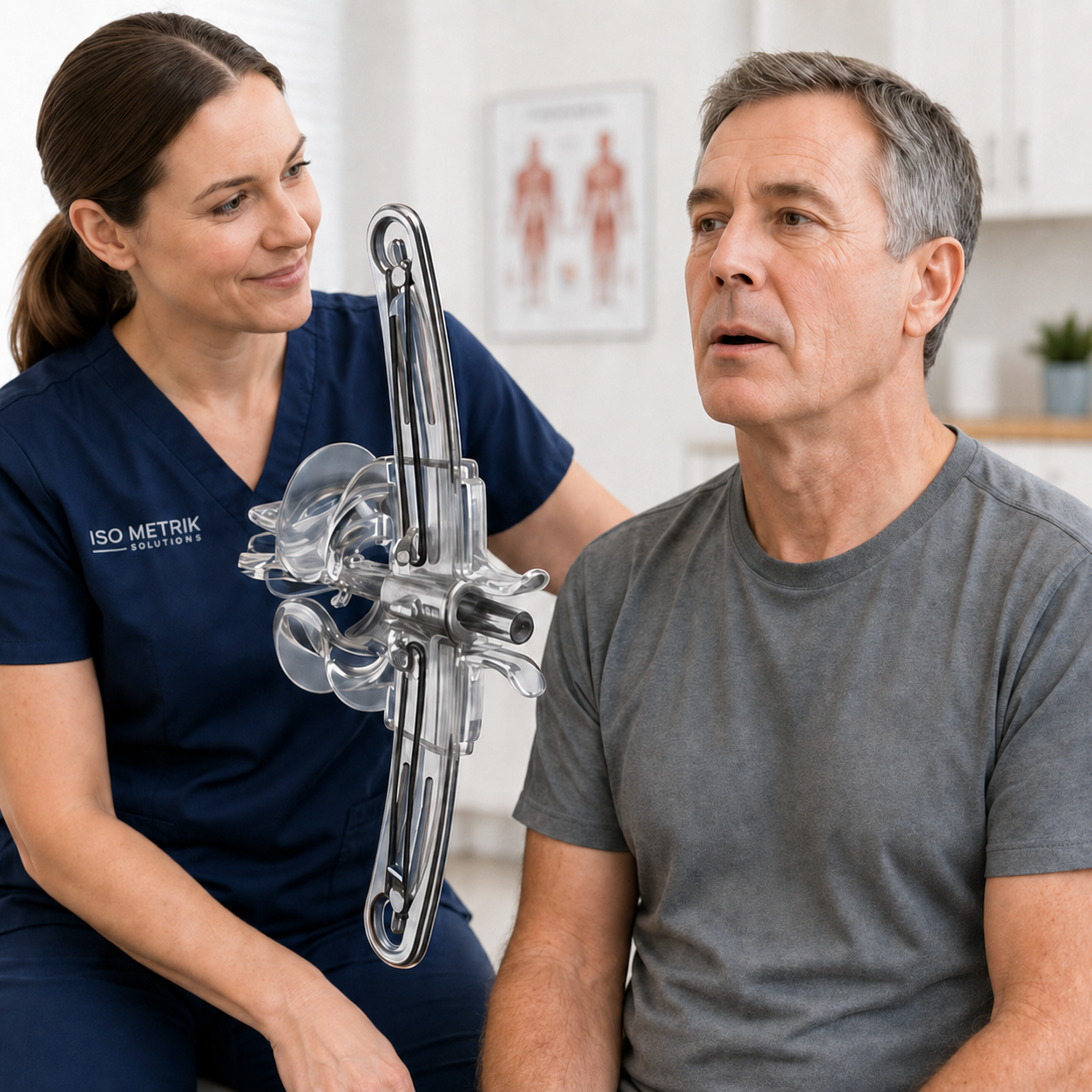
The professional pathway is designed for collaboration with physical therapy and speech-language pathology teams evaluating facial muscle and functional needs.
Protocol development is grounded in established resistance-training and neuromuscular rehabilitation principles.
The device is progressing through its regulatory pathway, and all claims remain aligned with its current status.
Twenty-two patents protect the device design, technology, and treatment methodology across global markets.
ISO Metrik-specific studies and structured real-world outcome collection are ongoing.
Support referral coordination across PT, SLP, neurology, PM&R, ENT, dentistry, and oral-maxillofacial care.
FDA 510(k) pending. ISO Metrik-specific clinical research is ongoing.
How it works
The clinician establishes baseline function, goals, precautions, fit, direction, mode, and resistance.
The patient practices the prescribed movement in clinic with observation, cueing, and feedback.
The same setup continues through a structured home plan, followed by documented reassessment and progression.
A connected clinical pathway
Facial neuromuscular dysfunction intersects multiple clinical disciplines. ISO Metrik gives rehabilitation providers a common platform around which care can be coordinated.
Progressive resistance and motor retraining
Oral-motor function, articulation, and lip closure
Stroke, Bell’s palsy, and facial nerve disorders
Neuromuscular re-education and recovery planning
Facial nerve and post-procedural recovery
Perioral and oral-maxillofacial rehabilitation
Choose your clinical pathway



Apply a defined mechanical challenge rather than relying only on unresisted exercise.
Select orientation, mode, load, range, pace, repetitions, and frequency around the evaluation.
Carry the provider-selected setup into a structured home program between visits.
Connect device education with training, workflow, documentation, referral, and pilot planning.
Patent-protected platform
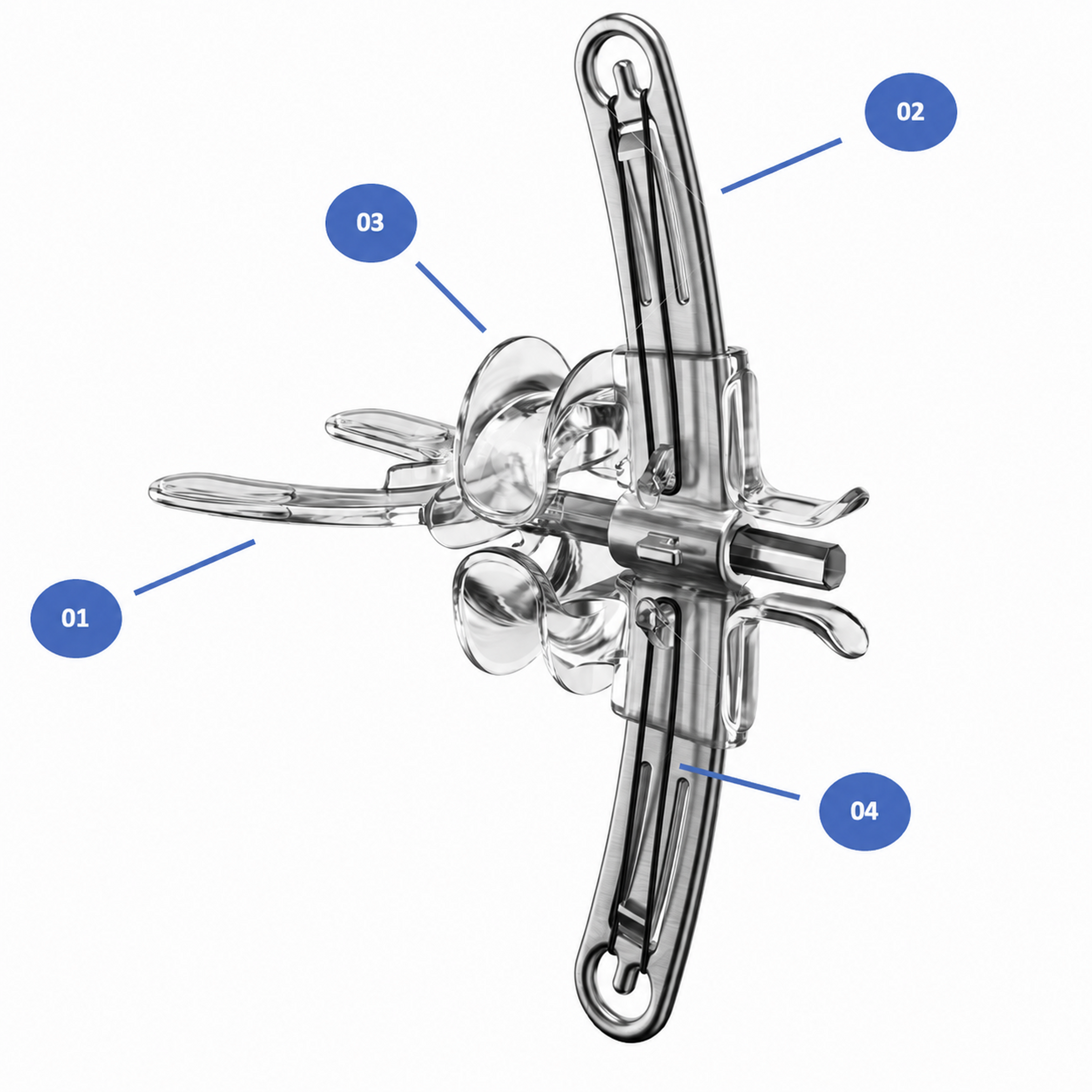
The ISO Metrik device
Its modular architecture allows clinicians to select resistance, target perioral muscle groups, and advance loading parameters as strength and function improve.
Provides stable intraoral anchoring and distributes occlusal forces.
Supports controlled lateral and horizontal movement against resistance.
Engage the perioral region and surrounding musculature.
Provide interchangeable levels for structured progression.
The ISO Metrik difference
Establish candidacy, baseline function, precautions, and goals.
Choose fit, orientation, therapy mode, resistance, and dosage.
Coach the movement and monitor the patient’s response in clinic.
Teach the same provider-directed setup for practice between visits.
Document response, refine the plan, and communicate progress.
Provider & client testimonials
Real feedback from providers using ISO Metrik in clinical practice.
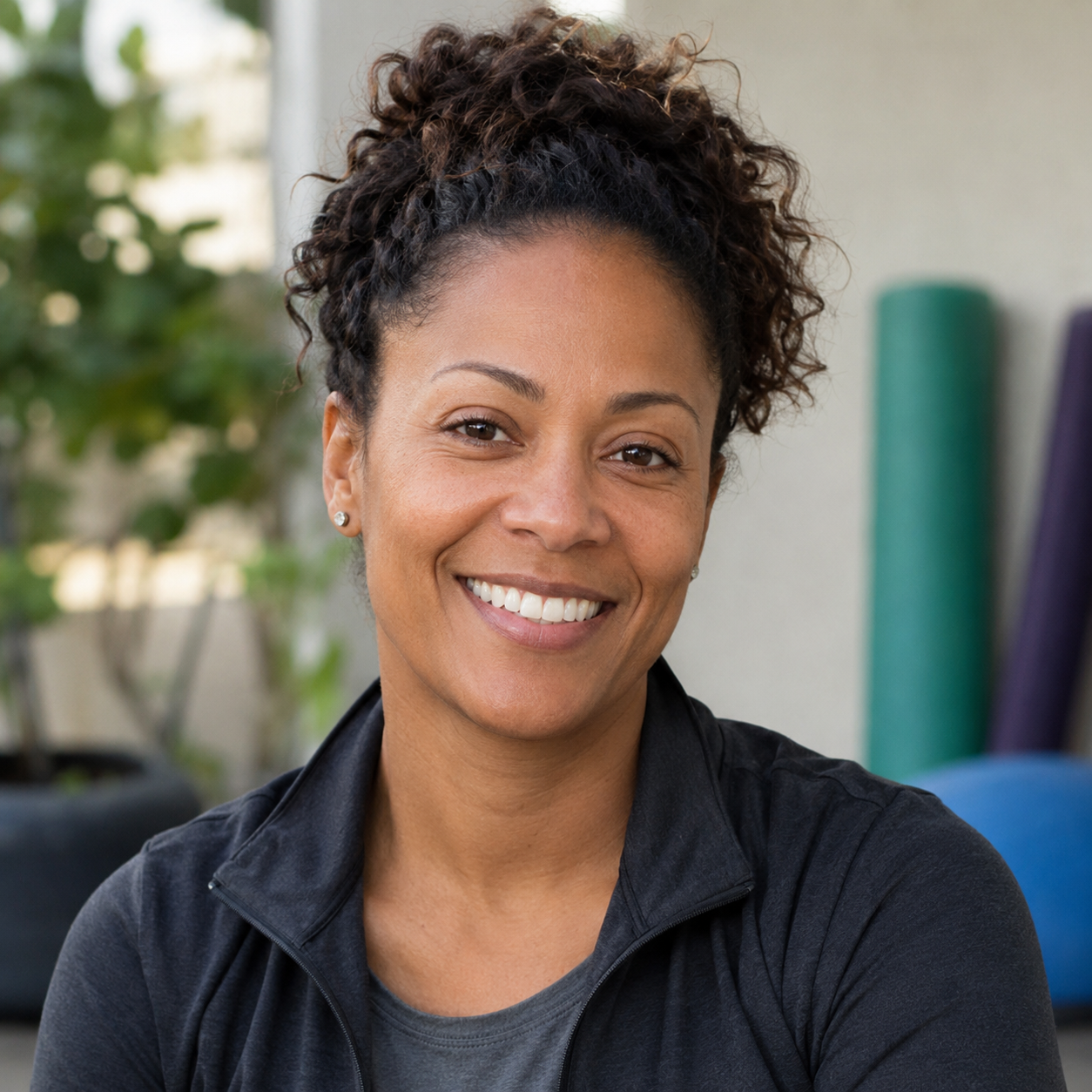
ISO Metrik has helped my patients stay engaged with facial rehabilitation. It is easy to teach, simple to continue at home, and fits well into the way we already deliver care.
Next step
See the platform, discuss clinical fit, and choose the implementation route for your clinic, referral network, or health system.
Join the movement. Elevate care.
Schedule your training consultation and discover how ISO Metrik can differentiate your physical therapy or speech-language pathology (SLP) practice with targeted facial resistance therapy for facial muscle rehabilitation, dysphagia, and oral-motor disorders.
Join a professional community of physical therapists and speech-language pathologists (SLPs) committed to evidence-informed facial therapy, measurable outcomes, and coordinated rehabilitation for facial muscle and neuromuscular conditions.
Offer patients an opportunity to improve facial muscle function, enhance neuromuscular control, and support recovery from facial paralysis, Bell’s palsy, stroke, dysphagia, oral-motor disorders, and selected rehabilitation needs.
Become an ISO Metrik certified provider and unlock innovative technology, comprehensive support, and new growth opportunities for your practice.